Introduction
Have you ever wondered what your pregnancy diet should look like month by month? The truth is, your body’s nutritional needs change throughout pregnancy, and so do your eating habits. Some days you may crave certain foods, while other days nausea may make it difficult to eat at all. I remember realizing very quickly that pregnancy is less about strict dieting and more about making mindful food choices. A balanced pregnancy diet chart month by month can help you nourish both yourself and your growing baby.
1. Months 1–3: First Trimester – Eat Light but Eat Right
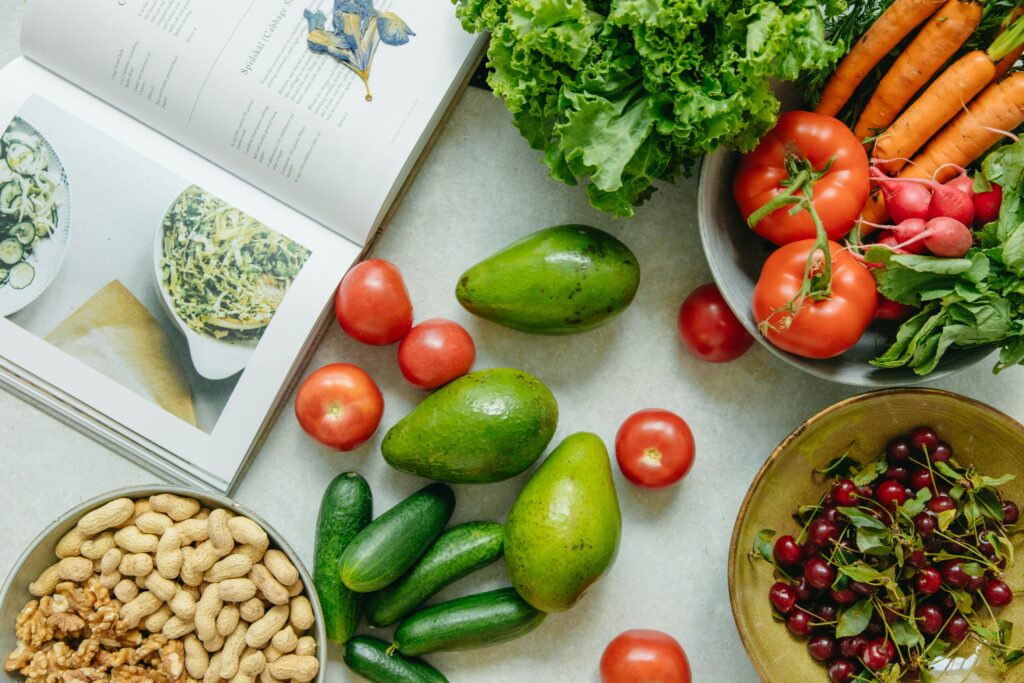
The first trimester can be unpredictable when it comes to food. Nausea, fatigue, and food aversions are very common, which is why many doctors recommend eating light but frequent meals. Instead of forcing large meals, focus on small portions throughout the day.
This is also the stage when cravings can start appearing. I personally found that giving in to cravings occasionally helped me feel better mentally, as long as I made sure the overall diet stayed nutritious. Fresh fruits, whole grains, yogurt, nuts, and home-cooked meals are great choices. The key during the first trimester is not quantity but quality, ensuring that whatever you eat supports early fetal development.
You can also read our guide on “First Trimester Do’s and Don’ts Every Mom Should Know” for more helpful tips during early pregnancy.
2. Months 4–5: Second Trimester – Building Strong Nutrition
By the second trimester, many women notice that nausea improves and appetite returns. This is the perfect time to strengthen your pregnancy diet chart month by month with more nutrient-dense foods.
Focus on adding protein-rich foods such as lentils, eggs, paneer, chicken, and legumes. Calcium-rich foods like milk, yogurt, and leafy greens become especially important for your baby’s developing bones and teeth. Whole grains such as oats, brown rice, and whole wheat also provide sustained energy.
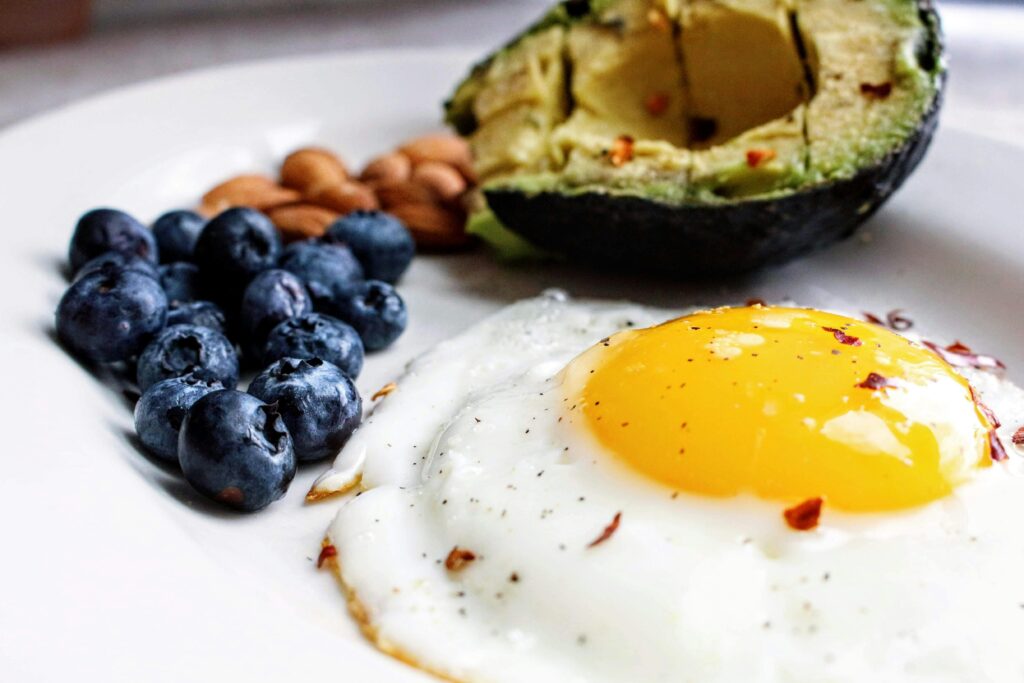
I remember feeling more energetic during this stage, which made it easier to cook balanced meals and experiment with healthier options.
3. Months 6–7: Supporting Baby’s Rapid Growth
During months six and seven, your baby begins growing more rapidly. Your pregnancy diet chart month by month should now include foods that support brain development and healthy weight gain.
Iron becomes especially important at this stage. Include foods such as spinach, beetroot, lentils, dates, and iron-fortified cereals. Pairing iron-rich foods with vitamin C sources like oranges, amla, or lemon helps better absorption.
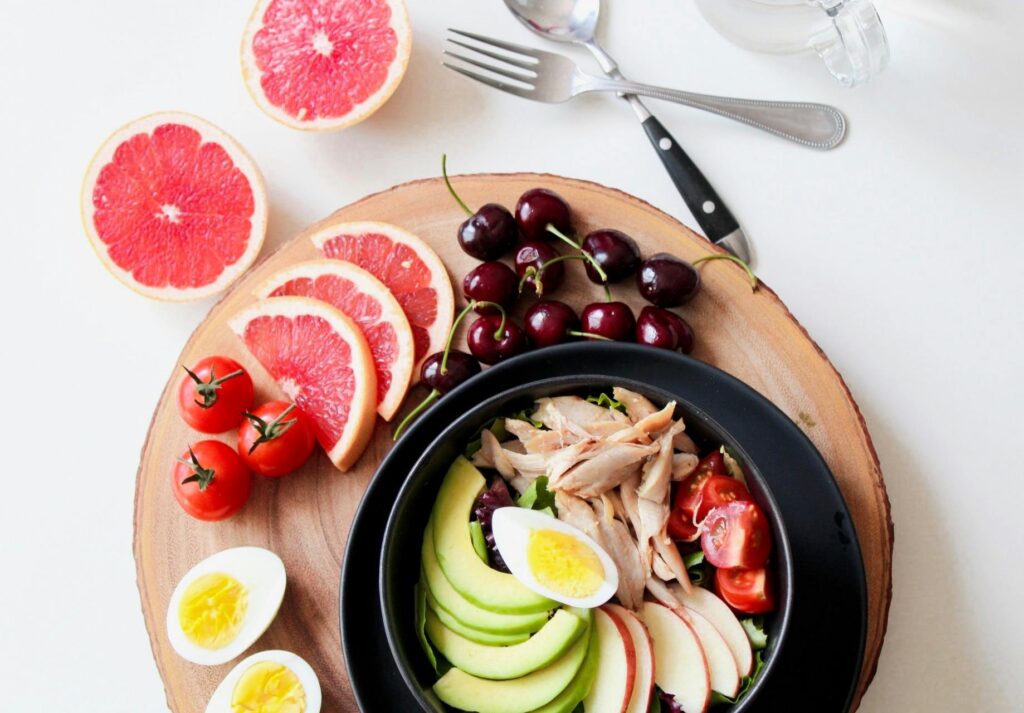
Healthy fats are also essential for brain development. Foods like nuts, seeds, avocados, and fatty fish (if part of your diet) can provide these nutrients. At this point in pregnancy, balanced meals help maintain your own energy levels while supporting your baby’s development.
4. Months 8–9: Focus on Energy and Digestion
The final months of pregnancy can bring new challenges such as heartburn, bloating, and reduced appetite due to the growing baby pressing on your stomach.
At this stage, smaller meals once again become helpful. Your pregnancy diet chart month by month should include easily digestible foods like soups, khichdi, vegetables, fruits, and light home-cooked meals.
Staying hydrated is extremely important in the third trimester. Drinking enough water, coconut water, and fresh juices can help maintain energy levels and prevent dehydration. I personally found that lighter meals helped me stay comfortable while still feeling nourished.
5. Healthy Snacking Throughout Pregnancy
Regardless of the month, healthy snacks play an important role in your pregnancy diet chart month by month. Instead of long gaps between meals, nutritious snacks help maintain steady energy levels.
Good snack options include fruits, roasted makhana, nuts, yogurt, smoothies, or whole-grain toast. Occasional cravings for sweets or comfort foods are completely normal during pregnancy. The key is balance, enjoying cravings while ensuring most of your diet consists of wholesome, nourishing foods.
According to the World Health Organization, pregnant women should eat a variety of foods such as vegetables, fruits, whole grains, beans, nuts, milk, meat, and fish to get enough energy, vitamins, and minerals for the baby’s development.
Remember, pregnancy is not about perfection. It is about consistently choosing foods that support both your health and your baby’s growth.
Following a thoughtful pregnancy diet chart month by month can help you navigate changing cravings, energy levels, and nutritional needs. Every pregnancy journey is different, so always consult your doctor or nutritionist for personalized dietary advice.