Introduction
Have you recently stared at your plate wondering, “Can I still eat this?” The first trimester brings excitement, but also constant second-guessing about foods to avoid during pregnancy. I remember reading every label twice and still feeling unsure. Since early pregnancy is when your baby’s major organs begin to develop, being mindful of what you eat truly matters. This first trimester guide will help you understand which foods to avoid during pregnancy and why.
1. Raw or Undercooked Foods
One of the most important foods to avoid during pregnancy includes raw or undercooked meat, eggs, and seafood. In the first trimester, your immune system naturally weakens, making you more vulnerable to infections like salmonella or listeria.
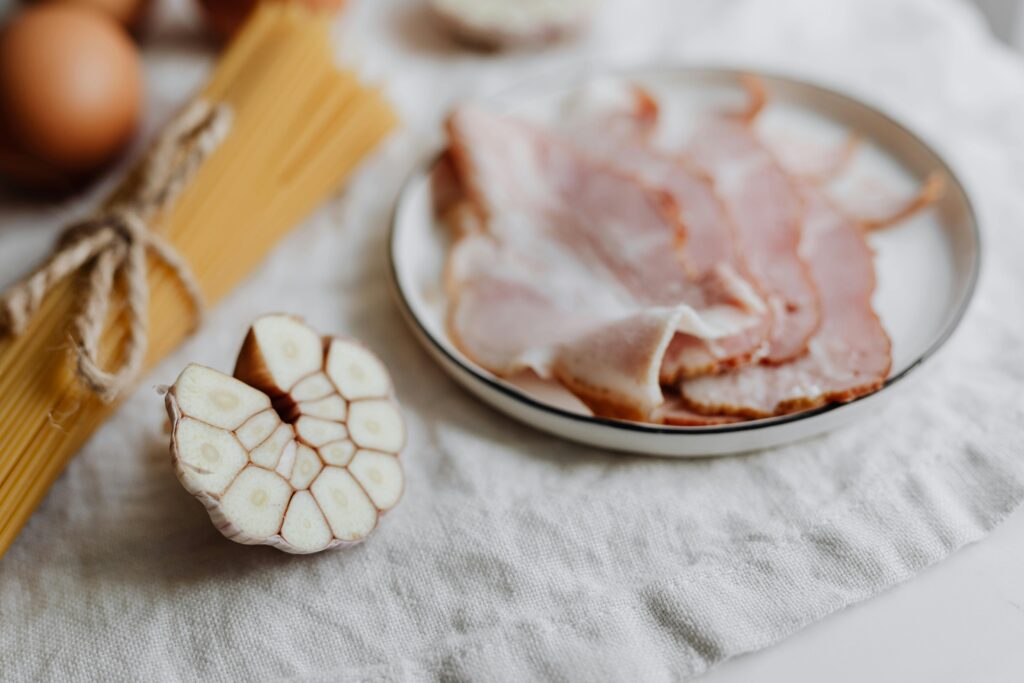
That means saying no to sushi made with raw fish, runny eggs, or undercooked chicken. Even though cravings can be strong, food safety becomes a priority in early pregnancy. I found it helpful to simply remind myself that this phase is temporary. Properly cooked meals reduce risk and give peace of mind during the delicate first trimester.
2. Unpasteurized Dairy Products
Soft cheeses and unpasteurized milk are common foods to avoid during pregnancy. Certain cheeses like brie, camembert, and blue cheese may carry harmful bacteria if not pasteurized.
Always check labels carefully. If the packaging clearly says “made with pasteurized milk,” it is generally considered safe. During my first trimester, I realized how easy it is to assume something is safe without checking. Listeria infection, though rare, can be serious in early pregnancy. Being cautious about dairy products is one of the simplest yet most important steps in avoiding unnecessary risks.
3. High-Mercury Fish
Fish is healthy, but some varieties should be avoided during pregnancy due to high mercury levels. In the first trimester, your baby’s brain and nervous system are developing rapidly, and excess mercury can interfere with that growth.
Shark, swordfish, king mackerel, and tilefish are typically advised against. Instead, choose low-mercury options like salmon or rohu (only if locally sourced and fresh). I personally found it reassuring to focus on what I could eat rather than what I couldn’t. Moderation and informed choices make a big difference in early pregnancy nutrition.
Besides avoiding certain foods, following the right dos and don’ts in your first trimester can help support a healthy early pregnancy.
4. Excess Caffeine and Processed Junk
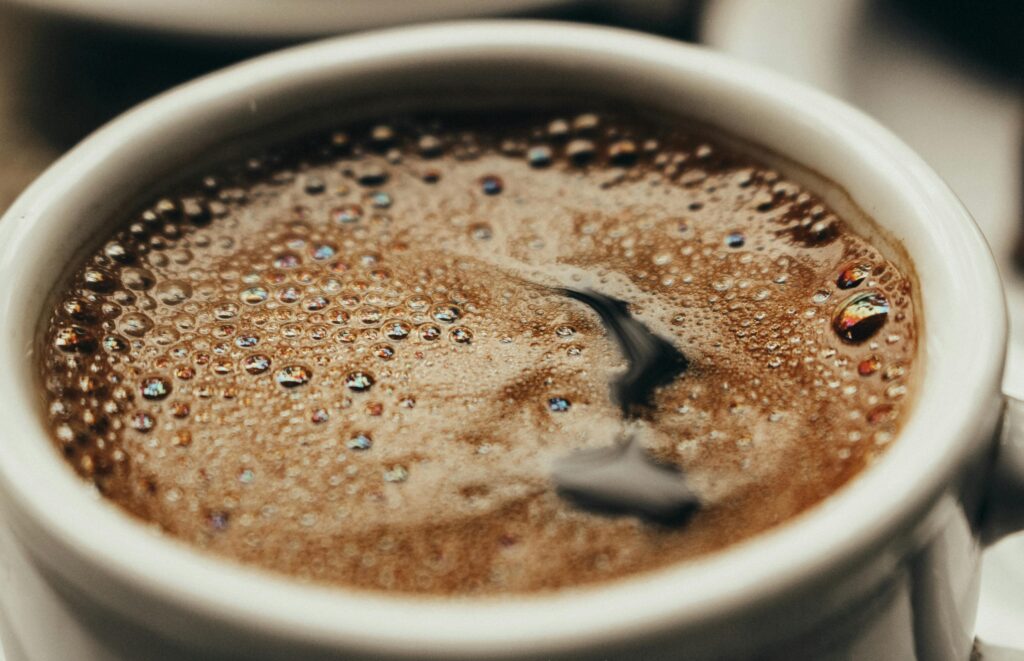
Another category of foods to avoid during pregnancy, or at least limit, is caffeine and heavily processed junk food. While one small cup of coffee is usually acceptable, high caffeine intake in the first trimester is not recommended.
Sugary drinks, packaged snacks, and deep-fried foods may worsen nausea, bloating, and fatigue. I noticed that eating lighter, home-cooked meals helped me feel more stable throughout the day and even prevented morning sickness. The first trimester can already feel physically overwhelming; nourishing your body with wholesome food can make it so much more manageable.